
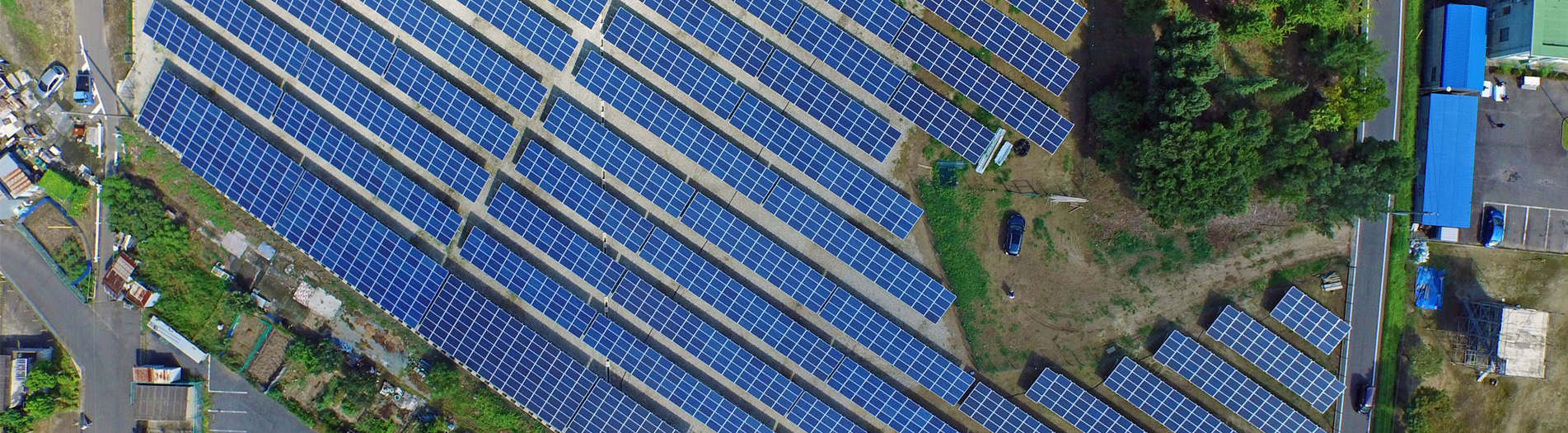
According to the latest data released by Sinovoltaics, Türkiye’s operational solar PV module manufacturing capacity has reached 13.2 GW. This figure exceeds the combined module-making capacity (9.7 GW) of Italy, Germany, Spain, France and the Netherlands. The country currently boasts roughly 2.5 GW of solar cell production capacity and 1.2 GW of wafer manufacturing capacity. More than 20 manufacturers are active in the module segment, while cell production is dominated by only two local players. Türkiye’s annual domestic PV demand stands at approximately 4 GW, meaning the majority of its manufacturing capacity is oriented toward overseas sales. Turkish PV products enjoy favourable conditions under current US trade rules. Unlike Chinese solar goods subject to heavy Section 301 tariffs and Southeast Asian shipments burdened by anti-dumping and countervailing duties, Turkish-produced modules face no such trade barriers. This has driven manufacturers including HT Solar, Smart Solar Technologies and Kalyon PV to expand exports to the United States and the European Union. Nevertheless, insufficient domestic cell capacity limits the volume of fully locally-produced photovoltaic goods that Türkiye can supply. Besides export volumes, a portion of installed capacity stays under-utilized, reflecting the widespread global oversupply of PV modules across the industry. Multiple newly-announced cell and wafer projects have not yet started operation; these facilities are expected to come into service between 2027 and 2030 to further strengthen Türkiye’s domestic photovoltaic supply chain.
Read More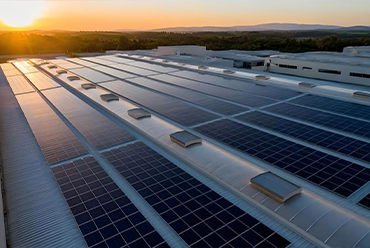
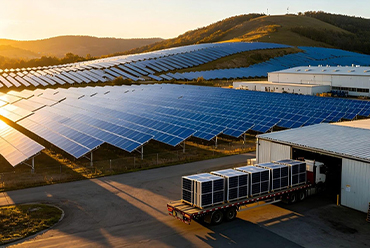
Australia is planning to expand the Small-scale Renewable Energy Scheme (SRES) to support rooftop solar systems of up to 1 MW, targeting commercial, industrial and agricultural buildings. The expanded scheme is expected to take effect on October 1, 2026. Climate Change and Energy Minister Chris Bowen said the policy would help more businesses switch from fossil fuels to solar, reduce electricity costs and unlock Australia’s largely untapped commercial rooftop solar market. According to government estimates, the expanded scheme is expected to reduce the installation costs of solar PV systems for commercial, industrial and agricultural buildings by around 20%. For example, a 250 kW rooftop solar system could receive an upfront incentive of approximately A$68,000, while an 850 kW system could save around A$232,000. Bowen added that these systems would help businesses reduce their annual electricity costs. The government will also ask the Australian Energy Market Commission (AEMC) to consider rule changes requiring network operators to process commercial and industrial solar connection applications more quickly, reducing the barriers businesses face when seeking grid connection approval for larger-scale projects. Australia currently has approximately 22 GW of residential rooftop solar, compared with only 5.6 GW of commercial and industrial installations. However, the technical potential of commercial, industrial and agricultural rooftops is estimated to exceed 80 GW.The government is also considering faster grid connection approvals for commercial and industrial solar projects to reduce delays and accelerate deployment. The Smart Energy Council welcomed the announcement, highlighting the significant potential of unused warehouse, factory and agricultural rooftops to contribute to Australia’s clean energy transition.The SRES expansion could open a major new growth opportunity for Australia’s commercial and industrial solar market.
Read More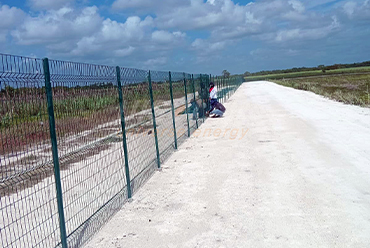
Project Location: Belize Product: Solar Fencing System Shipment: 8 × 40HQ Containers UISOLAR_Belize_Solar_Fencing_Project.jpg UISOLAR has successfully supplied customized solar fencing systems for multiple solar projects in Belize, further expanding our experience in utility-scale solar projects For this project, UISOLAR supplied a total of 8 containers (40HQ) of solar fencing systems. Part of the fencing solution was applied to the 24MW ST2 Double Pile Ground Mount System project in Belize, while the remaining systems were supplied for other solar farm applications. Belize_Solar_Fence_Installation.jpg Designed for photovoltaic power plants, UISOLAR’s solar fencing systems provide reliable protection, durability, and long-term performance for solar installations. The solar fence solution is engineered to meet different project requirements, including customized dimensions, layouts, and installation conditions. With professional engineering support and manufacturing capabilities, UISOLAR provides reliable fencing solutions for utility-scale solar projects worldwide. To ensure smooth project implementation, UISOLAR completed the manufacturing, quality inspection, and shipment process efficiently.A total of8 containers (40HQ)were prepared and delivered to Belize, demonstrating UISOLAR’s strong production capacity and international logistics experience. UISOLAR_Solar_Fencing_System_Shipment.jpg The delivered solar fencing systems are now supporting multiple solar farms in Belize, helping improve site security and operational reliability. With extensive experience in PV mounting systems, ground mounting solutions, and customized solar products, UISOLAR continues to provide professional solar solutions for global renewable energy projects. Following the successful cooperation on the 24MW ST2 Double Pile Ground Mount System project in Belize, UISOLAR continues to support the development of solar energy projects in the region with reliable products and efficient delivery. Project Highlights ✔ Solar fencing systems supplied for multiple solar farms in Belize ✔ 8 × 40HQ containers successfully delivered ✔ Part of the supply applied to Belize 24MW solar project ✔ Customized solution for utility-scale PV applications ✔ Professional manufacturing and engineering support
Read More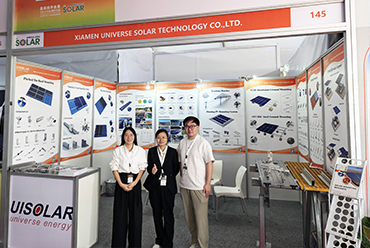
XIAMEN UNIVERSE SOLAR TECHNOLOGY CO., LTD (UISOLAR) , a leading manufacturer of photovoltaic mounting structures, is exhibiting at the 11th SolarExpo Kenya 2026 from July 29–31 at the Carnivore Exhibition Grounds in Nairobi. Operating from Booth 145 within the CHINA PAVILION, UISOLAR is presenting a full range of solar mounting solutions to the rapidly growing East African market. Comprehensive Product Lineup on Display UISOLAR is showcasing its diverse portfolio, including: Metal Sheet Roof Mounting Systems – Durable and easy-to-install solutions for industrial and commercial rooftops. Ground-Mounted Systems – Available in both steel and aluminum to suit various project scales. Solar Carports – Combining power generation with shaded parking for commercial applications. Walkways – Solar-integrated infrastructure solutions that optimize land use. Next-Generation Tracking and Floating Solar Systems UISOLAR is also unveiling its latest innovations at Booth 145: Solar Trackers – Automatically follow the sun to maximize energy yield and reduce LCOE for utility-scale projects. Floating PV Systems – Ideal for reservoirs and lakes, offering land-saving benefits and enhanced efficiency through natural water cooling. Strong Presence at the China Pavilion UISOLAR's booth, branded under UISOLAR and Universe Energy, has attracted significant interest from project developers and EPC contractors seeking reliable, high-quality mounting solutions for the region. "We are excited to be at SolarExpo Kenya 2026," said Jason Zhong, the Director at UISOLAR. "From rooftop mounts to trackers and floating systems, we deliver solutions for every application. Our presence here reaffirms our commitment to supporting East Africa's clean energy transition." SolarExpo Kenya 2026 has brought together over 250 exhibitors from more than 27 countries, cementing Nairobi's position as a key hub for renewable energy investment and innovation in Africa. Visitors are invited to Booth 145 – CHINA PAVILION to explore UISOLAR's full product range and speak with technical experts. About XIAMEN UNIVERSE SOLAR TECHNOLOGY CO., LTD (UISOLAR) UISOLAR is a global leader in the design and manufacturing of solar PV mounting systems, offering reliable and cost-effective solutions for residential, commercial, and utility-scale projects worldwide. For more information, visit www.uisolar.com
Read More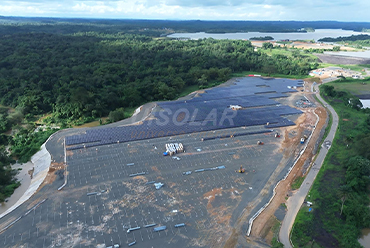
(Belize-24MW-solar-project-st2-ground-mount-system) As global investment in renewable energy continues to accelerate, UISOLAR is proud to announce the successful supply of its ST2 Double-Pile Ground Mount System for a 24MW utility-scale solar project in Belize. This project marks another important milestone in UISOLAR's international business and further strengthens the company's presence in the Caribbean solar market. The Belize solar project adopts UISOLAR's ST2 Ground Mount System, a fixed-tilt mounting solution designed for utility-scale photovoltaic applications. With its stable structural design, efficient installation process, and adaptability to various site conditions, the ST2 system provides reliable support for long-term solar power generation while helping improve installation efficiency. (ST2 double pile solar mounting system 3D rendering design) To meet the project's performance and durability requirements, the mounting system is manufactured using high-quality materials, including S450GD and S350GD aluminum-magnesium-zinc coated steel, hot-dip galvanized structural steel, AL6005-T5 aluminum alloy, and SUS304 stainless steel fasteners. This combination provides excellent corrosion resistance, structural strength, and long-term reliability for outdoor photovoltaic applications. Throughout the project, UISOLAR worked closely with the customer by providing comprehensive engineering and manufacturing support. From structural design and engineering calculations to production, quality control, and shipment, every stage was carefully coordinated to ensure the project progressed efficiently and met the required delivery schedule. The company's experienced engineering team also prepared complete technical documentation and installation guidance to support smooth project implementation. (Solar mounting structures packaged for international shipment) As demand for utility-scale photovoltaic projects continues to grow across the Caribbean and other emerging renewable energy markets, reliable mounting structures play an increasingly important role in ensuring the long-term performance of solar power plants. With extensive experience in ground-mounted solar systems, UISOLAR remains committed to delivering dependable solar mounting solutions that meet international quality standards and the specific requirements of each project. The successful completion of this 24MW solar project in Belize demonstrates UISOLAR's capability to support utility-scale PV developments with professional engineering services, high-quality manufacturing, and responsive customer support. Looking ahead, UISOLAR will continue working with EPC contractors, project developers, and distributors worldwide to provide innovative and reliable solar mounting systems that contribute to the global transition toward clean energy. About UISOLAR UISOLAR is a professional manufacturer specializing in the design, engineering, and production of solar mounting systems for utility-scale, com...
Read More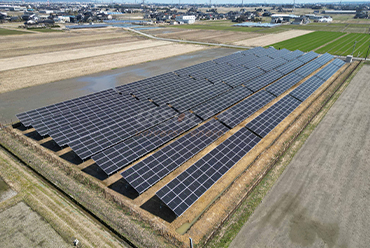
Malaysia officially launched its sixth Large Scale Solar (LSS6) program on July 16, opening a total allocation of 2,650MW of solar power capacity. For the first time, battery energy storage systems (BESS) will be integrated into large-scale solar projects, marking a significant step toward a more flexible and reliable renewable energy system. The program is expected to attract approximately RM13 billion–15 billion (around RMB 25 billion) in private investment, supporting Malaysia’s efforts to meet increasing electricity demand while advancing toward its 2050 net-zero emissions target. According to the Ministry of Energy Transition and Water Transformation, LSS6 will focus not only on solar power generation but also on energy storage solutions. By storing excess solar energy and releasing it when needed, the integration of BESS will help improve grid stability and enhance renewable energy utilization. This represents Malaysia’s transition from traditional solar deployment toward a new “solar + storage” development model. The Malaysian government will continue to adopt an open bidding mechanism for LSS6, aiming to encourage competition and drive down project costs. In addition, proposals utilizing locally manufactured solar PV components will receive priority consideration, further promoting the growth of the domestic renewable energy supply chain. With the rapid expansion of data centers and manufacturing industries, regions such as Johor and other southern states are experiencing increasing electricity demand, creating new opportunities for renewable energy development and infrastructure investment. Beyond expanding clean energy capacity, LSS6 is expected to generate approximately 15,000–20,000 job opportunities and reduce around 2.6 million tons of carbon emissions annually, contributing to Malaysia’s long-term low-carbon development goals. As Malaysia’s renewable energy market continues to grow, reliable and efficient solar mounting solutions will play an essential role in supporting large-scale solar projects. UISOLAR provides a comprehensive range of solar mounting systems, including rooftop, ground-mounted, and customized solutions, designed to meet the diverse requirements of global solar projects. With strong engineering capabilities and proven project experience, UISOLAR is committed to supporting the transition toward cleaner and more sustainable energy worldwide.
Read More
Universe Solar(UISOLAR) is a high-tech enterprise specializing in the development,manufacturing and marketing of PV mounting. With our top quality and service, UISOLAR mountings are welcomed by most of the installers, distributors, and EPC ect. all over the world.
Please read on, stay posted, subscribe, and we welcome you to tell us what you think.


 online service
 +86 (0592)5663849
 sales@uisolar.com
 solar-mount.au
 English
 français
 Deutsch
 русский
 español
 português
 Nederlands
 العربية
 日本語
日本語 한국의
한국의
 IPv6 network supported