
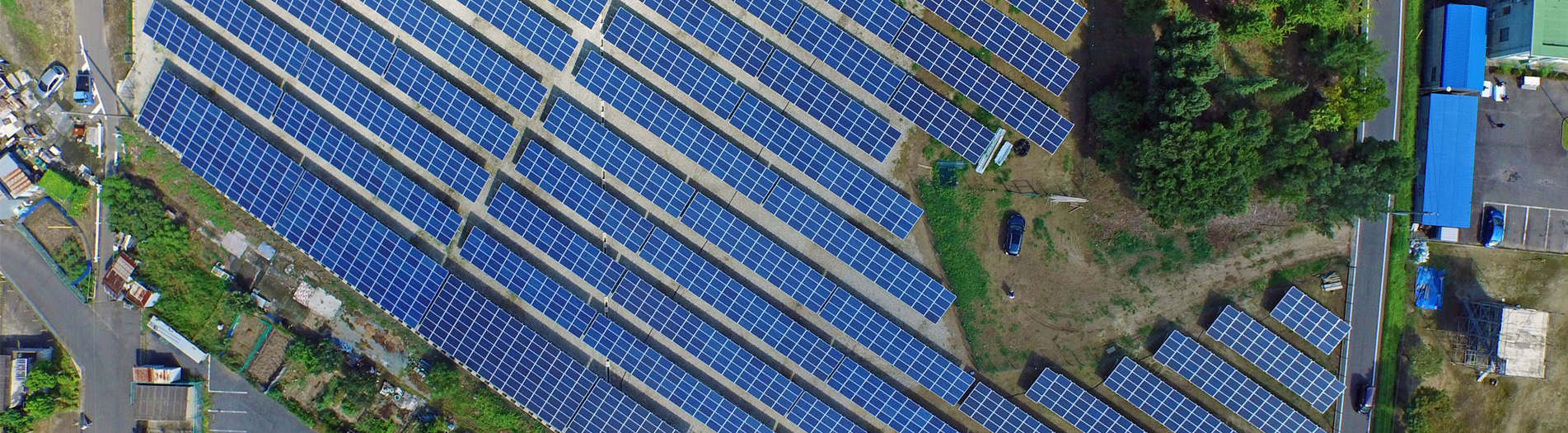
Recently, Namibia officially announced a $1.76 billion strategic plan to expand renewable energy. The plan sets a clear target: by 2030, the country’s installed renewable energy capacity will reach 454 MW, and the share of clean energy in electricity generation will increase from the current 54% to 70%.
According to reports, $411 million of the plan’s funding will come from the private sector, while the remaining funds will be sourced through public financing and multilateral cooperation. Namibia’s Minister of Mines and Energy, Natangwe Ithete, pointed out that over half of the country’s electricity currently relies on imports. The high cost of imported power not only drives up tariffs but also strains foreign exchange reserves. “Reducing dependence on external electricity has become a key factor in ensuring national economic stability,” he said.
To ensure the plan is implemented, the Namibian government will introduce a series of supporting measures to attract investment. In terms of market mechanisms, the procurement process for independent power producers will be simplified, the single-buyer market scope expanded, and large consumers will be allowed to purchase electricity directly from power plants. On the technology integration side, incentive policies will be introduced for battery energy storage systems to facilitate the efficient integration of renewable energy into the grid. Currently, the country’s first battery storage project is in the design and construction phase, with commercial operation planned for 2026, which will provide experience for future storage projects.
It is worth noting that this plan also reflects Namibia’s vision to become a regional power hub. The country plans to build cross-border transmission lines connecting Angola, Botswana, Zambia, and Zimbabwe, strengthening energy security through regional electricity trade. Previously, the Kunene–Omatando substation, constructed by a Chinese company, was officially put into operation. It now serves as a key node connecting Namibia’s power network with neighboring countries, laying the foundation for regional energy integration.
Namibia’s ambitious renewable energy strategy presents significant opportunities for global solar industry participants. The construction of large-scale ground-mounted solar farms, distributed projects, and supporting energy storage systems places higher demands on the durability, adaptability, and cost-efficiency of solar mounting systems. As a provider focused on delivering reliable solar mounting solutions, UISOLAR mounting system is committed to offering high-reliability, versatile fixed and tracking mounting products for such large-scale energy projects. We closely follow energy developments in Namibia and the Southern African market, and look forward to supporting more green energy projects with our professional products and services, contributing to the global energy transition.
To learn more about how UISOLAR mounting systems can add value to your projects, please visit our official website or contact us.

Universe Solar(UISOLAR) is a high-tech enterprise specializing in the development,manufacturing and marketing of PV mounting. With our top quality and service, UISOLAR mountings are welcomed by most of the installers, distributors, and EPC ect. all over the world.
Please read on, stay posted, subscribe, and we welcome you to tell us what you think.


 online service
 +86 (0592)5663849
 sales@uisolar.com
 solar-mount.au
 English
 français
 Deutsch
 русский
 español
 português
 Nederlands
 العربية
 日本語
日本語 한국의
한국의 IPv6 network supported